





After a long day—when kids are looking for something engaging to do and the house finally gets a little quiet—it can feel natural to turn to screens.
But more and more parents are recognizing a simple truth: Children don’t just need to be entertained. They need time to create, imagine, move, and explore the world around them.
Screen-free activities offer a simple, flexible way to bring that balance back—without pressure, and without needing anything complicated.

Why Screen-Free Play Matters
Children learn best through active, hands-on experiences. When they step away from screens, they naturally engage more deeply with their environment and their own ideas.
Screen-free play supports:
- Creativity —imagining, building, and storytelling
- Problem-solving — trying, adjusting, and figuring things out
- Focus & attention — staying engaged in meaningful play
- Emotional development — expressing and processing feelings
- Physical development — building coordination and body awareness
It’s not about removing technology—it’s about creating space for children to learn by doing.
It also creates simple, meaningful moments of connection between parents and children, often in everyday, unplanned ways.

1. Open-Ended Pretend Play
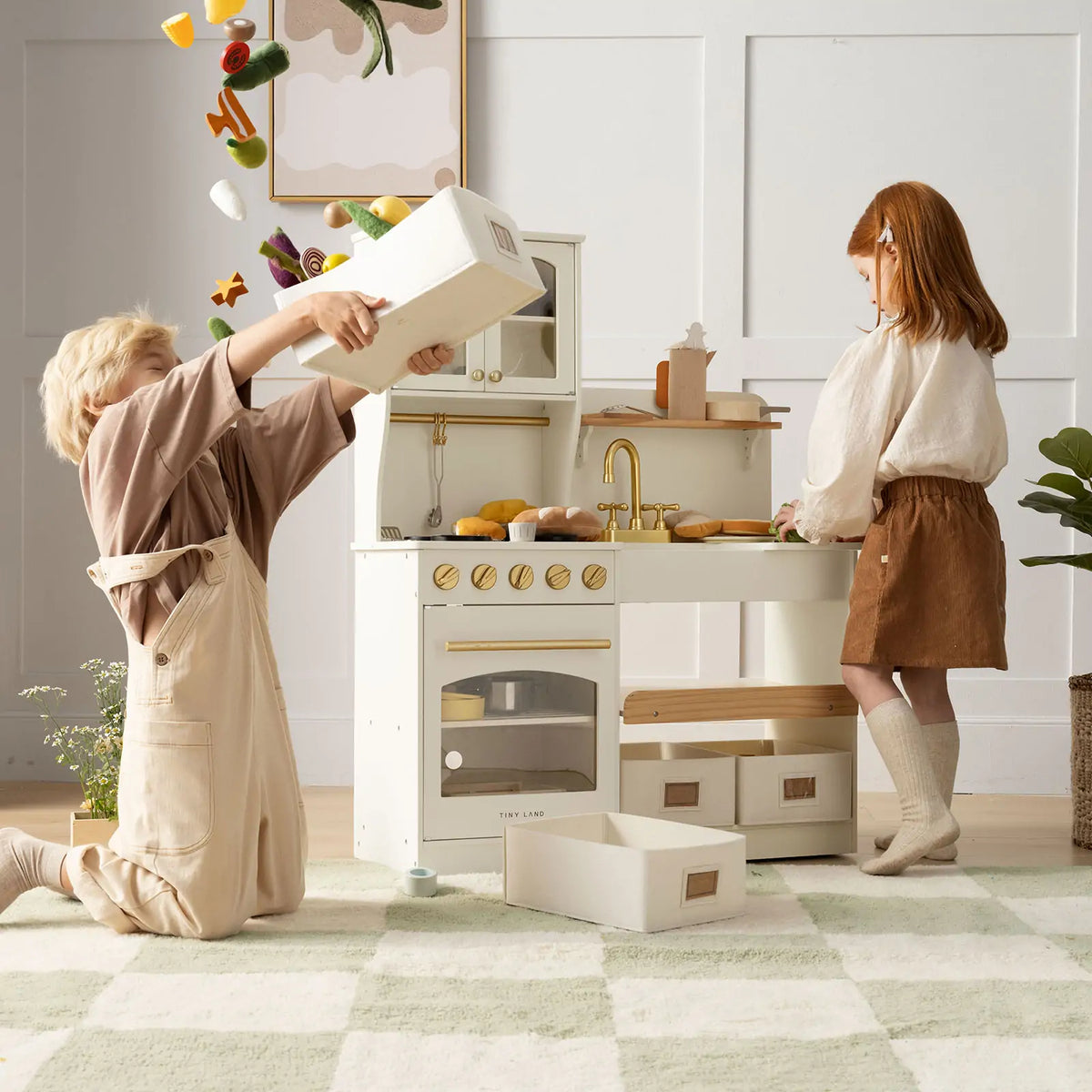
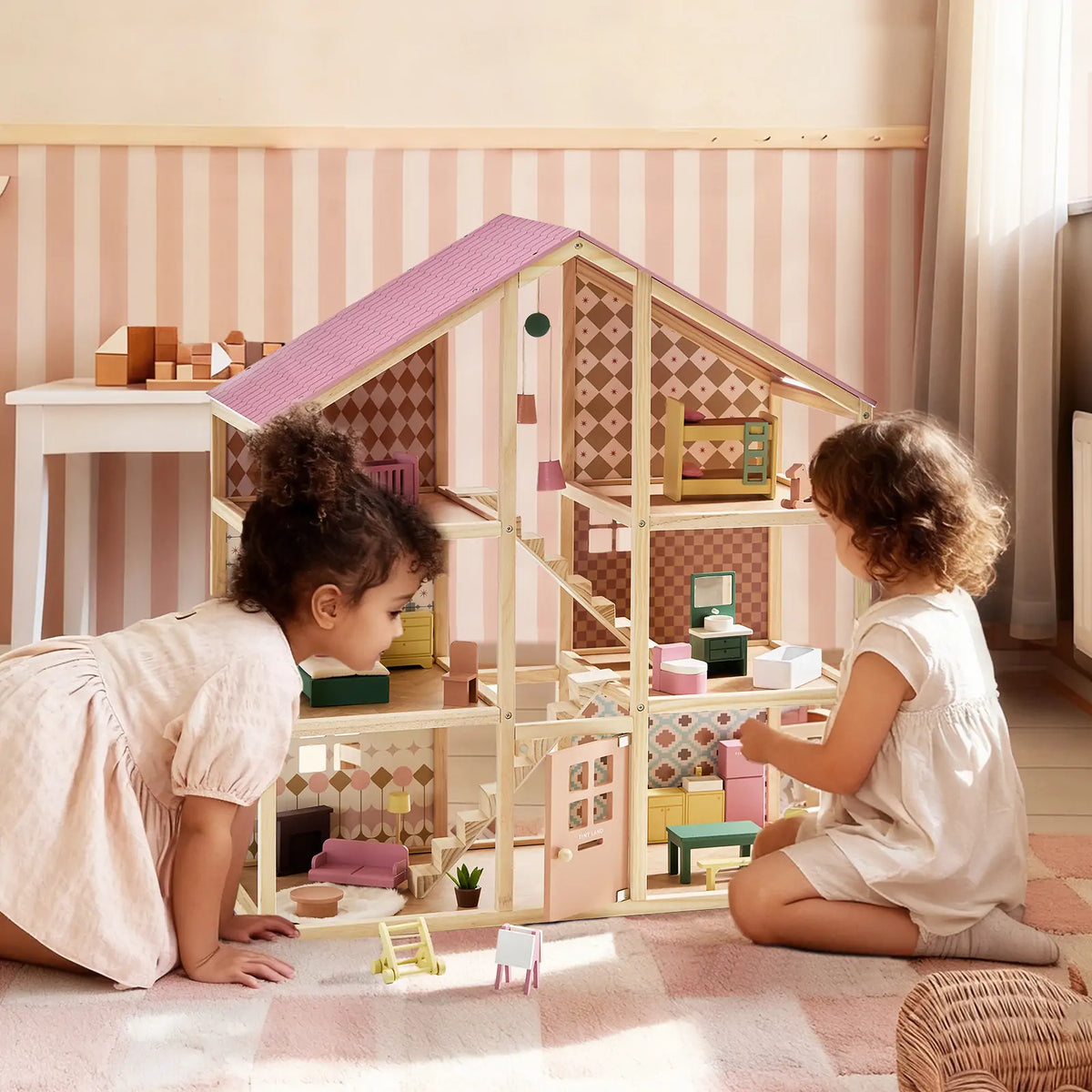
Pretend play gives children the freedom to create their own stories, roles, and worlds. There are no rules, no instructions, and no “right” way to play—children decide everything. This kind of play mirrors real life in a safe, imaginative way, helping children explore roles, emotions, and everyday experiences.
Ideas for Pretend Play
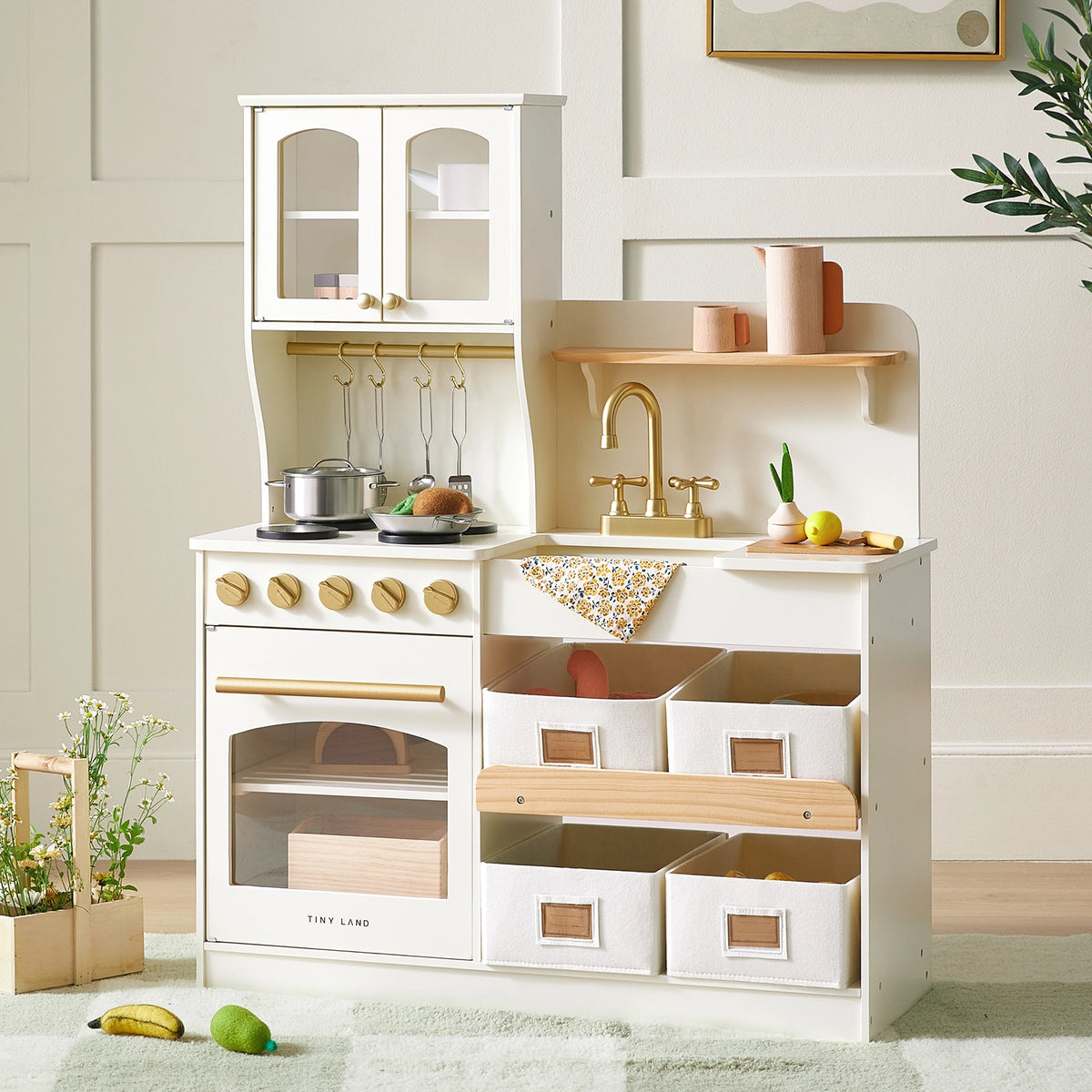
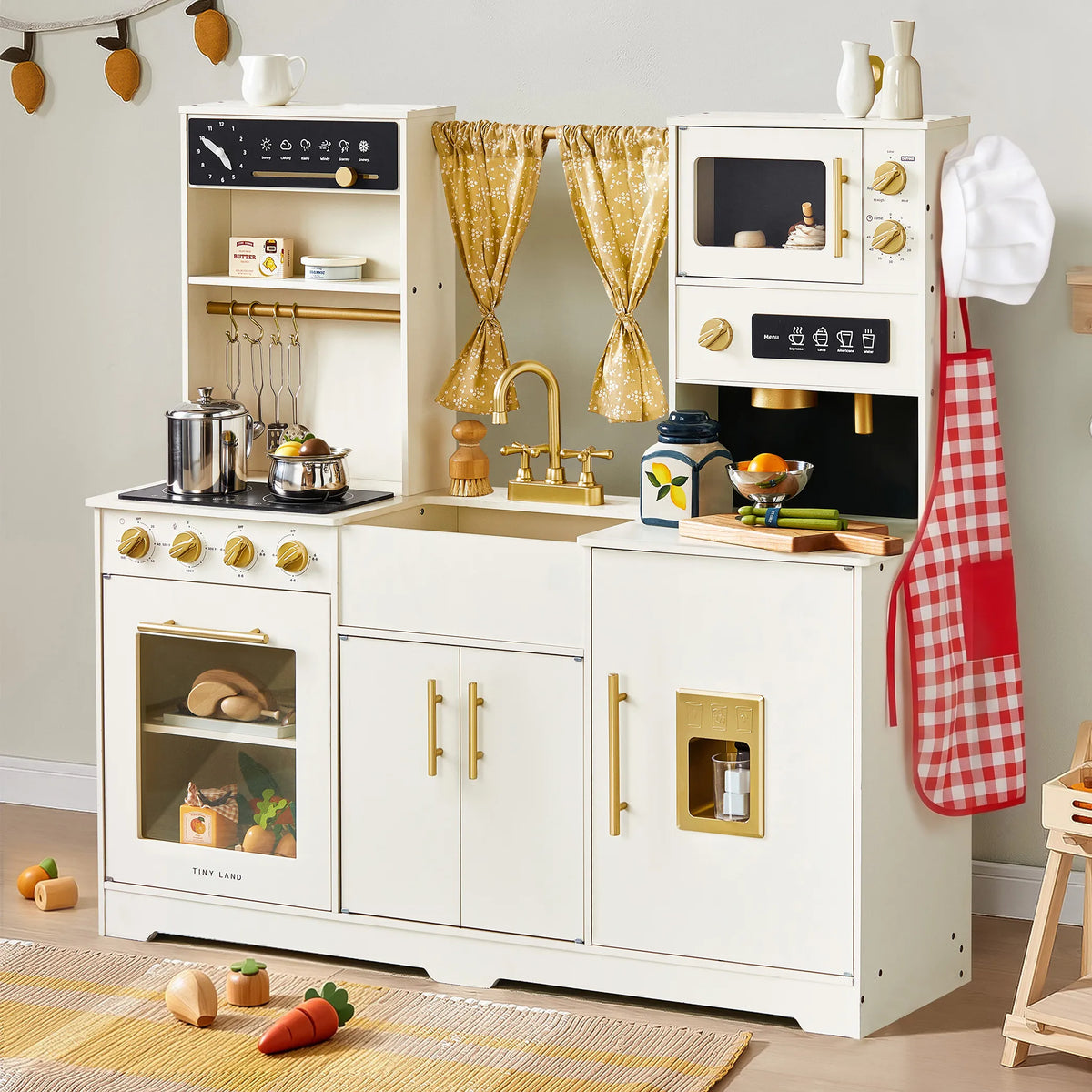
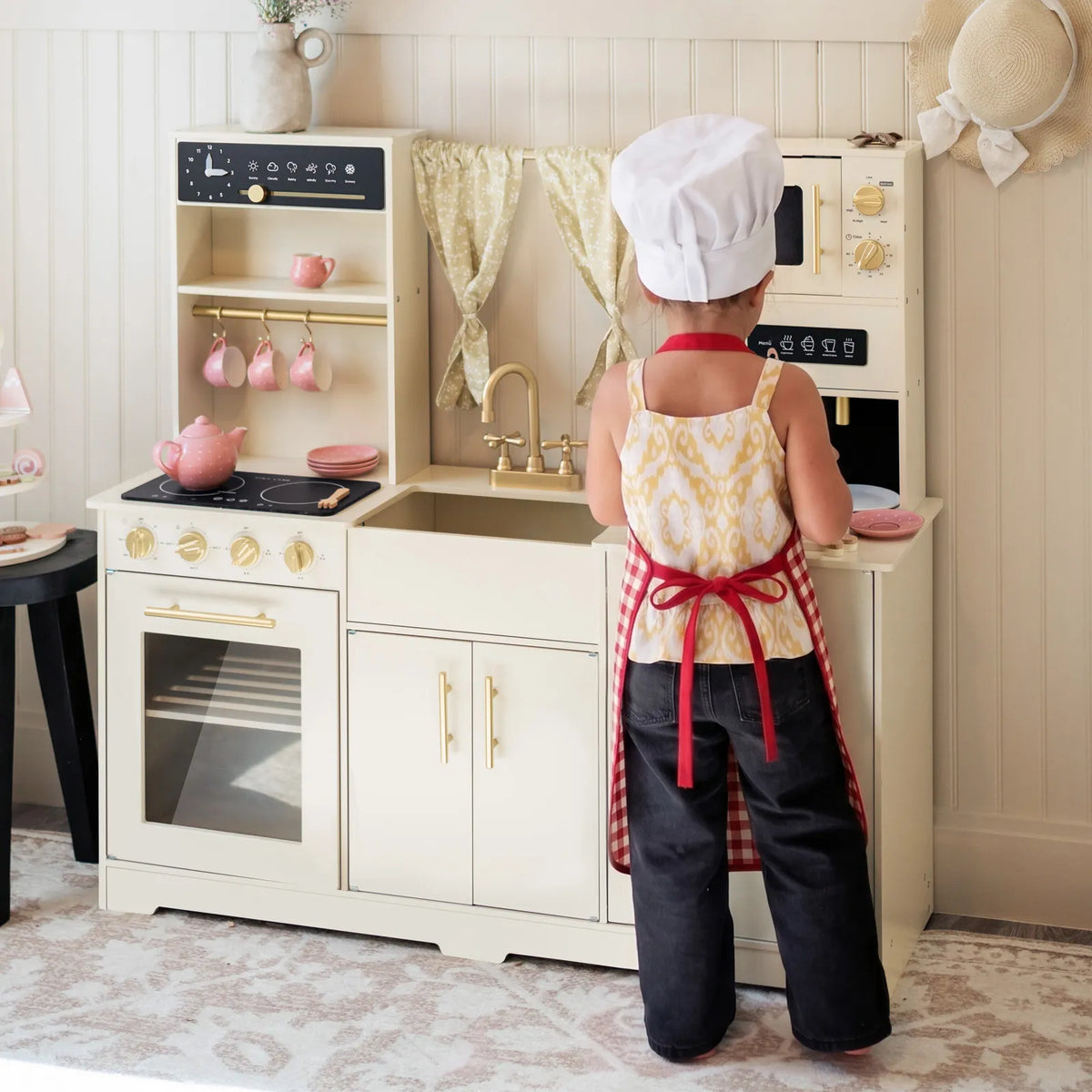
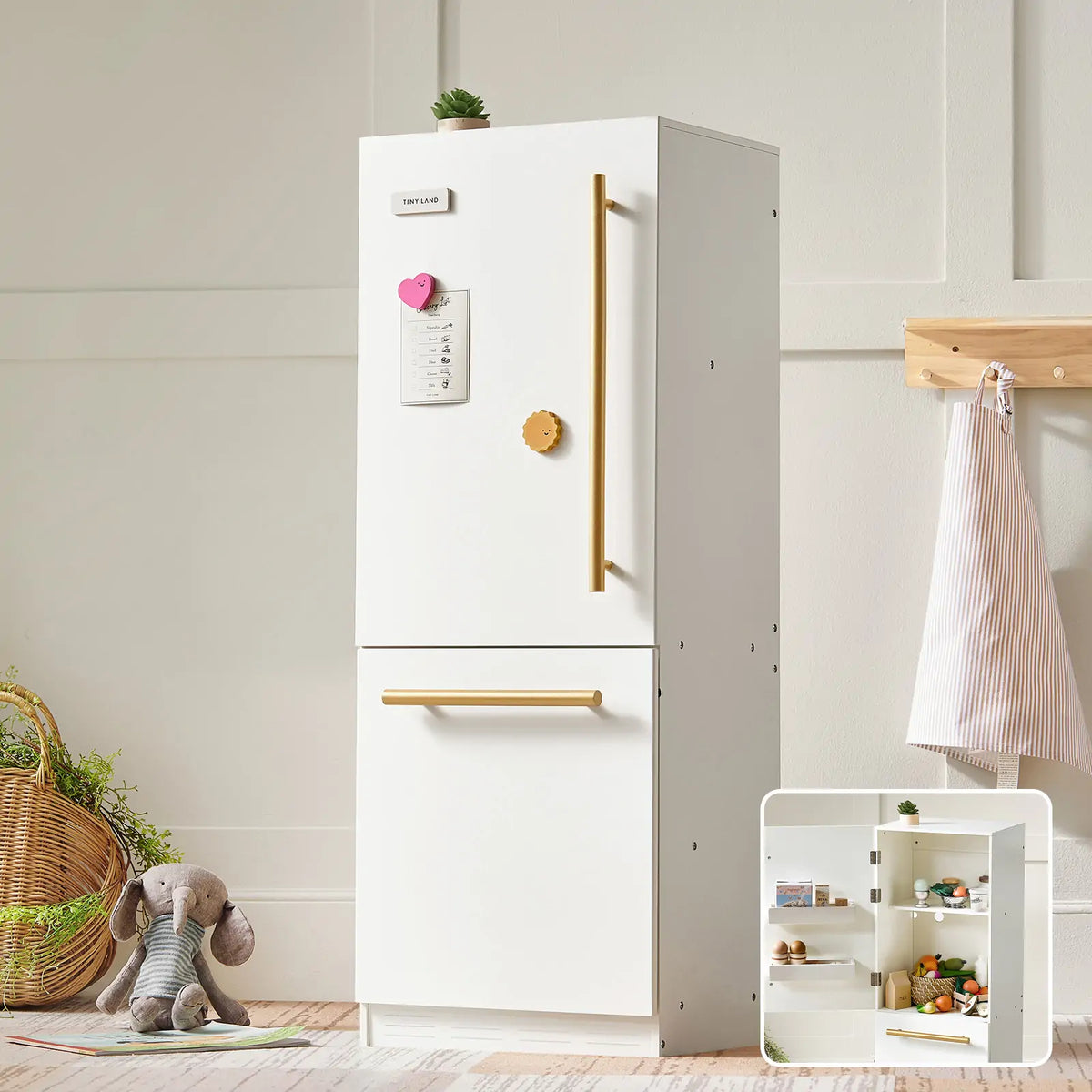
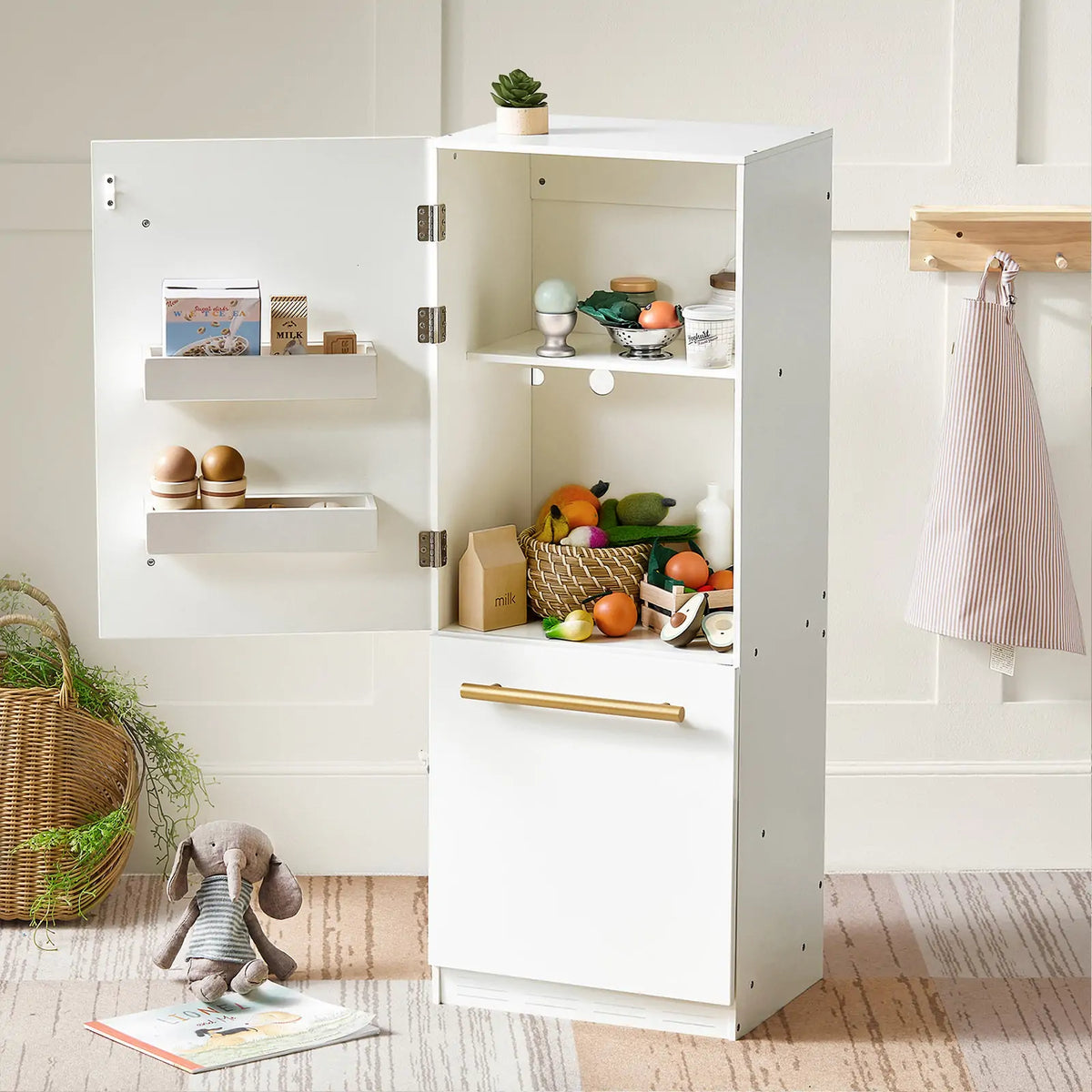
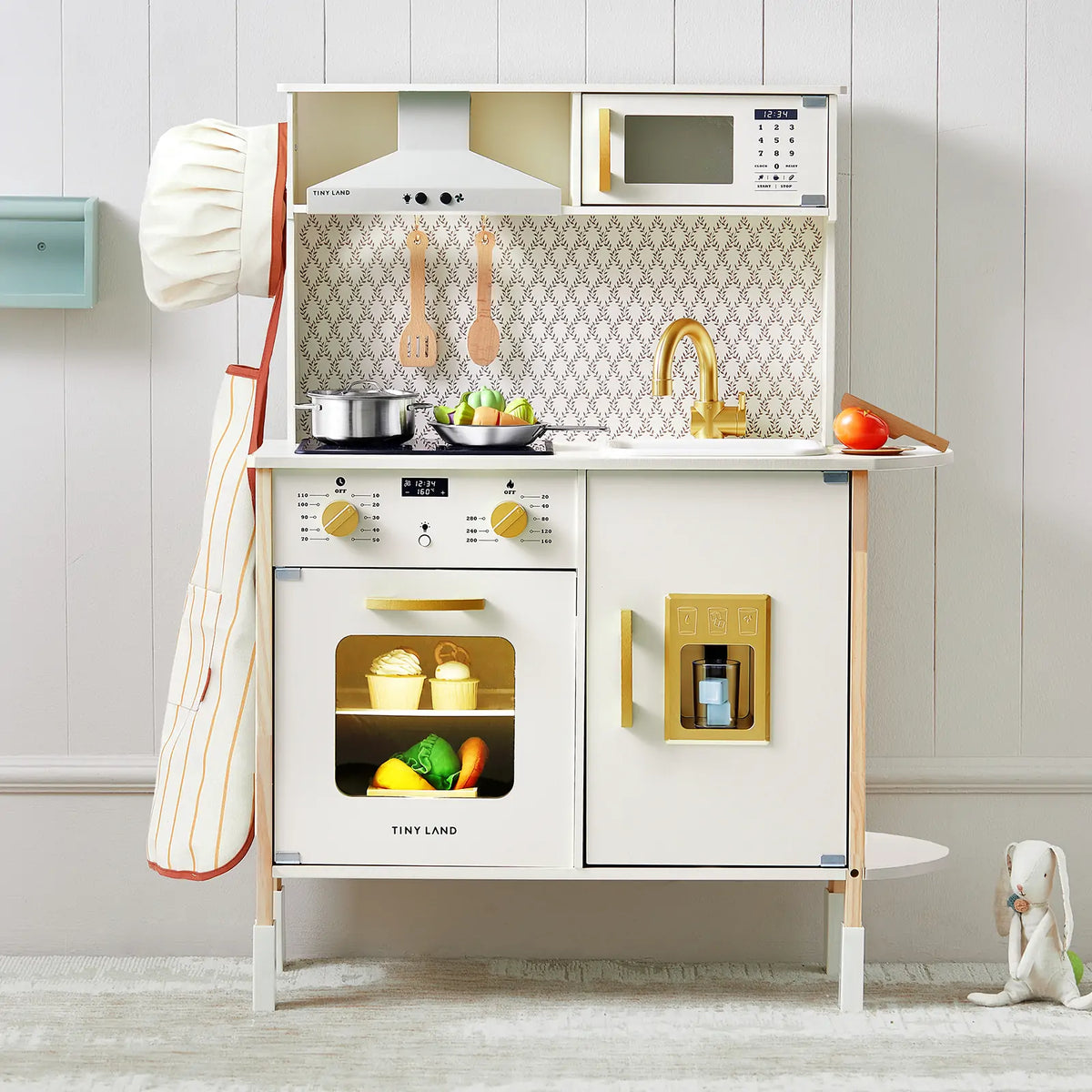
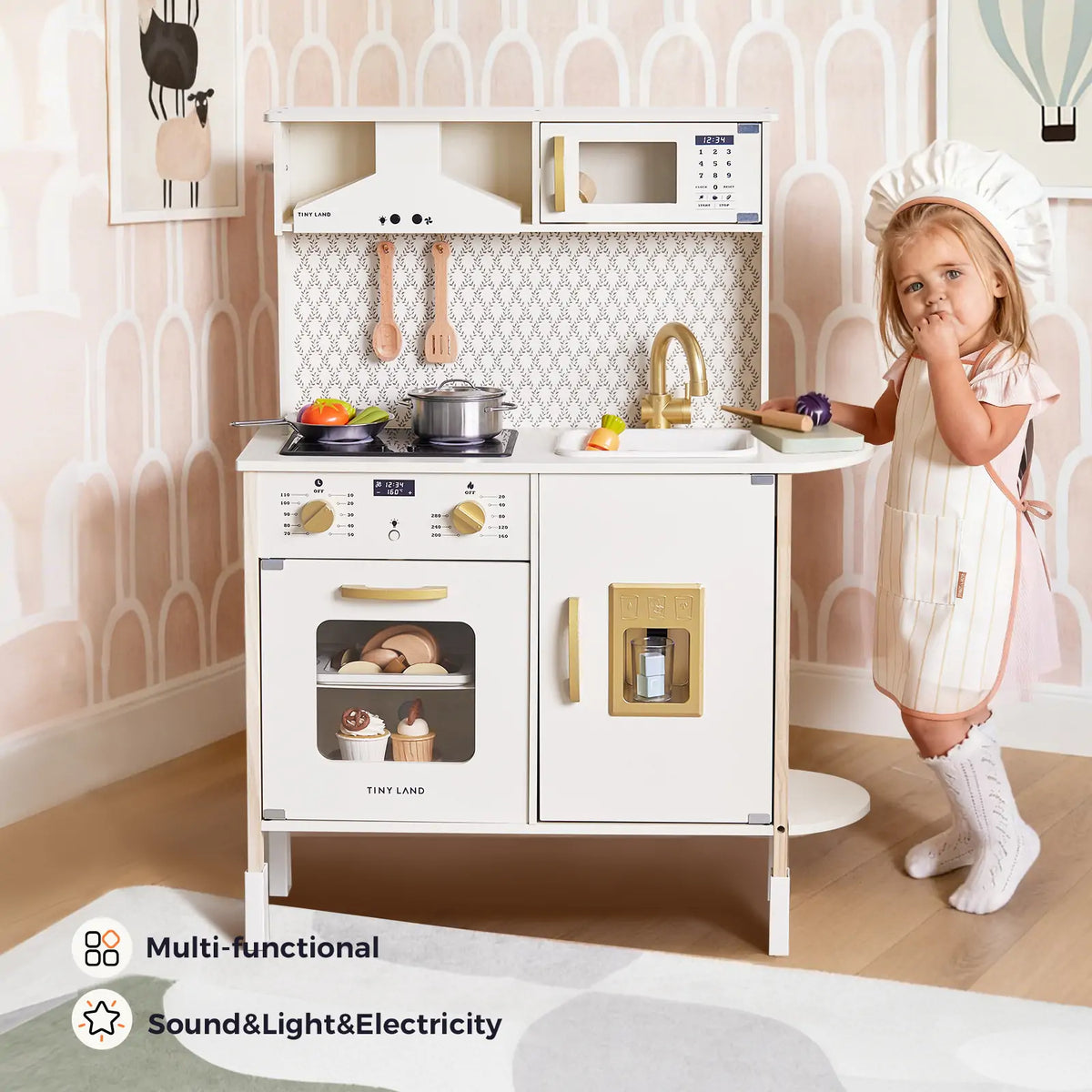
- Cook “family meals” in Play kitchen
- Running a small business, such as pretend café, grocery store, or bakery
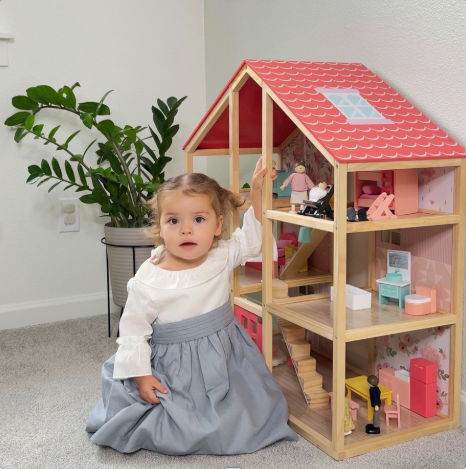
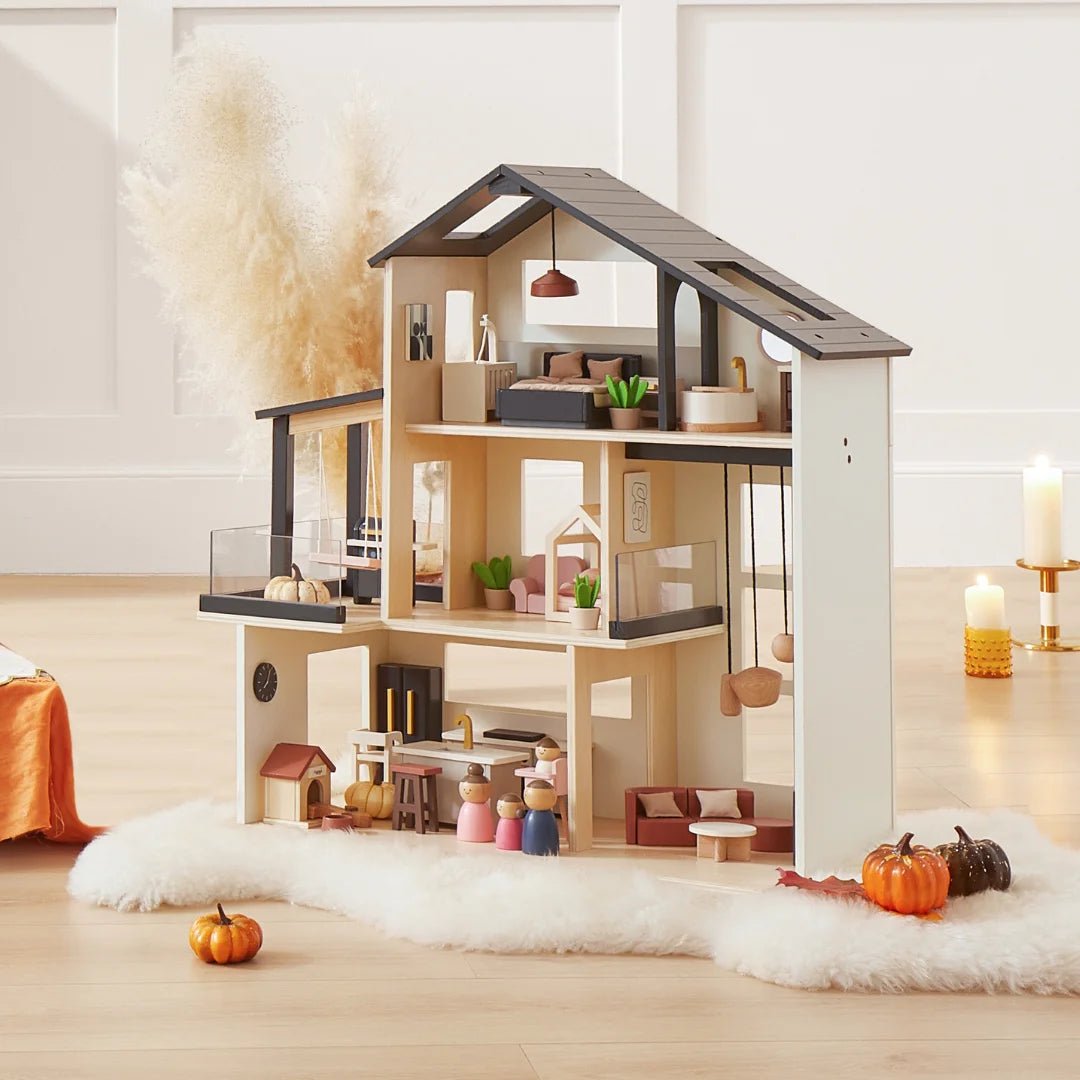
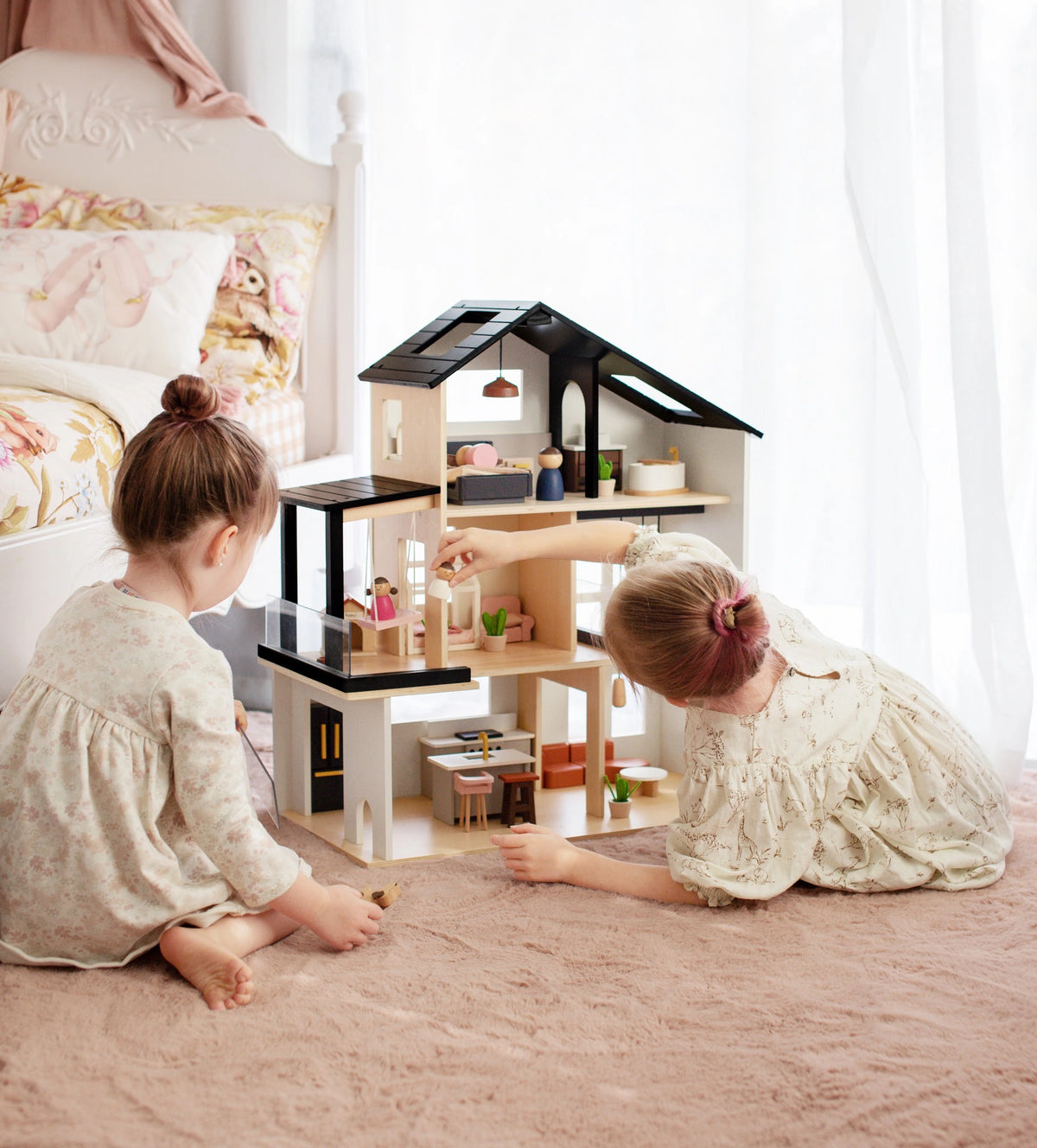
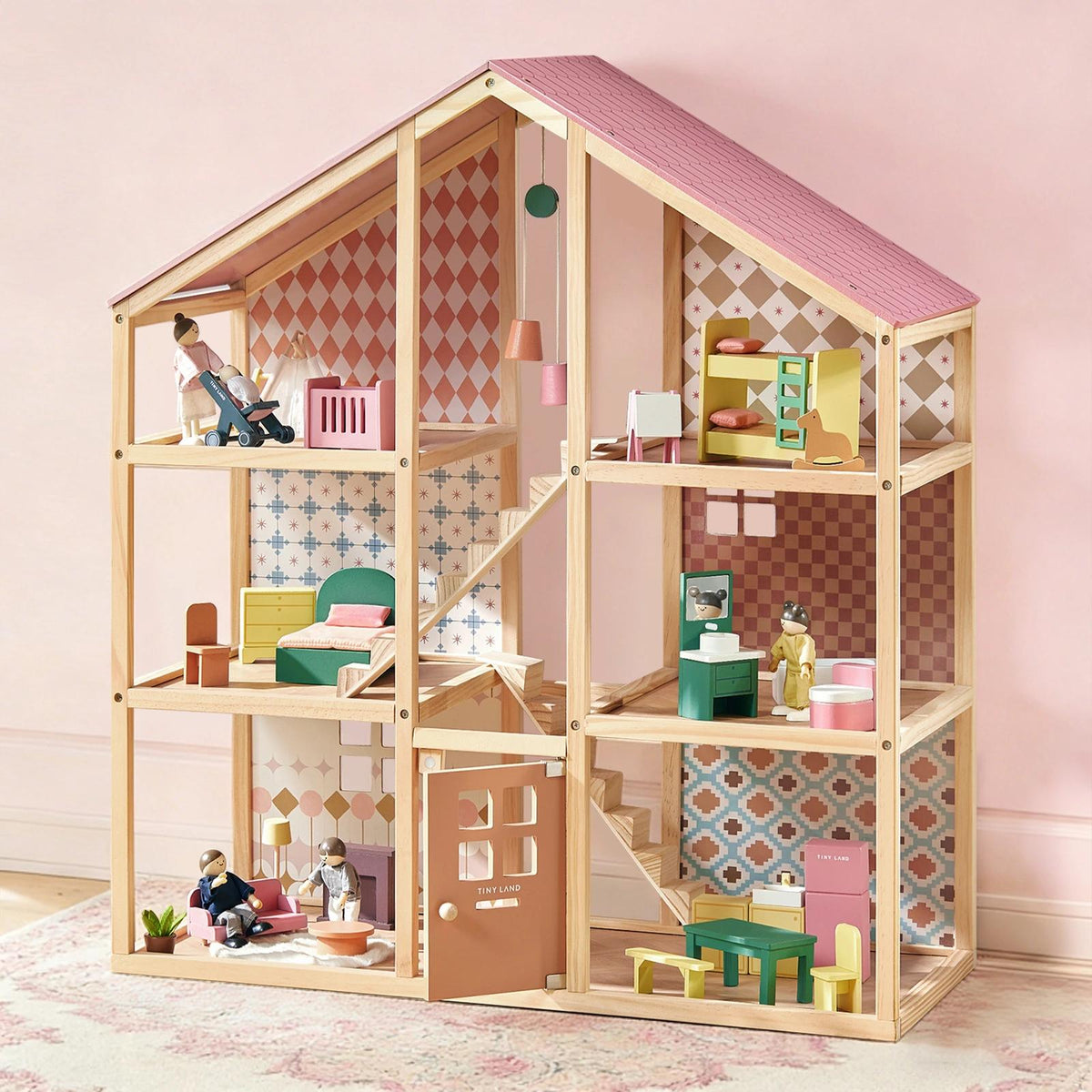
- Dollhouse storytelling
- Role-playing real-life scenarios (doctor, teacher, parent, shopper)
Why It Matters
- Language and communication
- Emotional understanding and empathy
- Social confidence
- Creativity and problem-solving
A play kitchen or dollhouse creates a natural, child-led environment where this kind of play can happen every day—especially when children are looking for something engaging and familiar.

2. Outdoor Sensory Play Activities
Sensory play engages a child’s senses—touch, sight, sound, and more—helping them learn through direct interaction with the world.
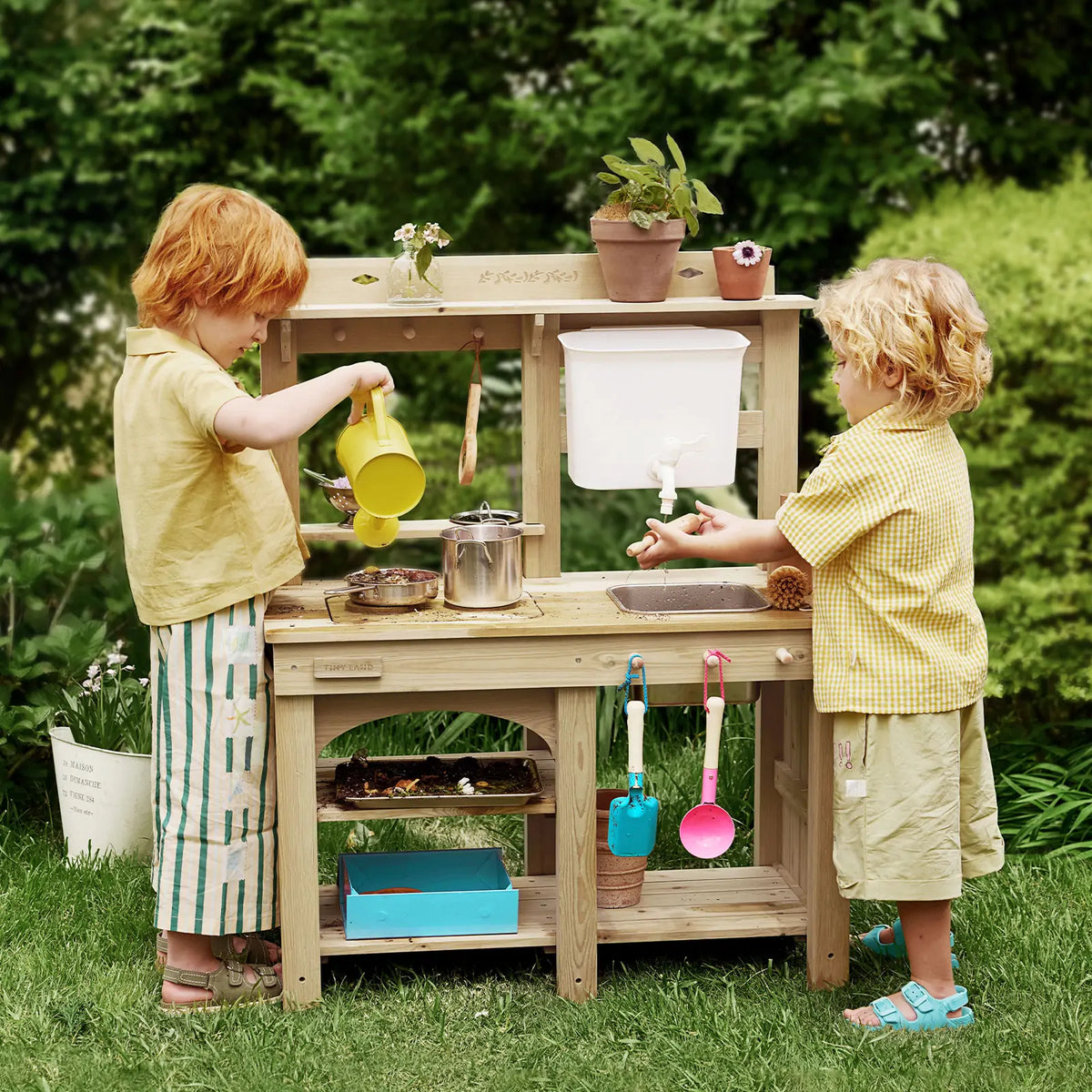
Outdoor environments make this experience even richer, offering natural textures and open space to explore.
Ideas for Sensory Exploration
- Water play
- Sand or mud play
- Pouring and mixing activities
- Exploring different textures
Why It Matters
- Brain development through multi-sensory input
- Emotional regulation
- Early cognitive understanding through hands-on learning
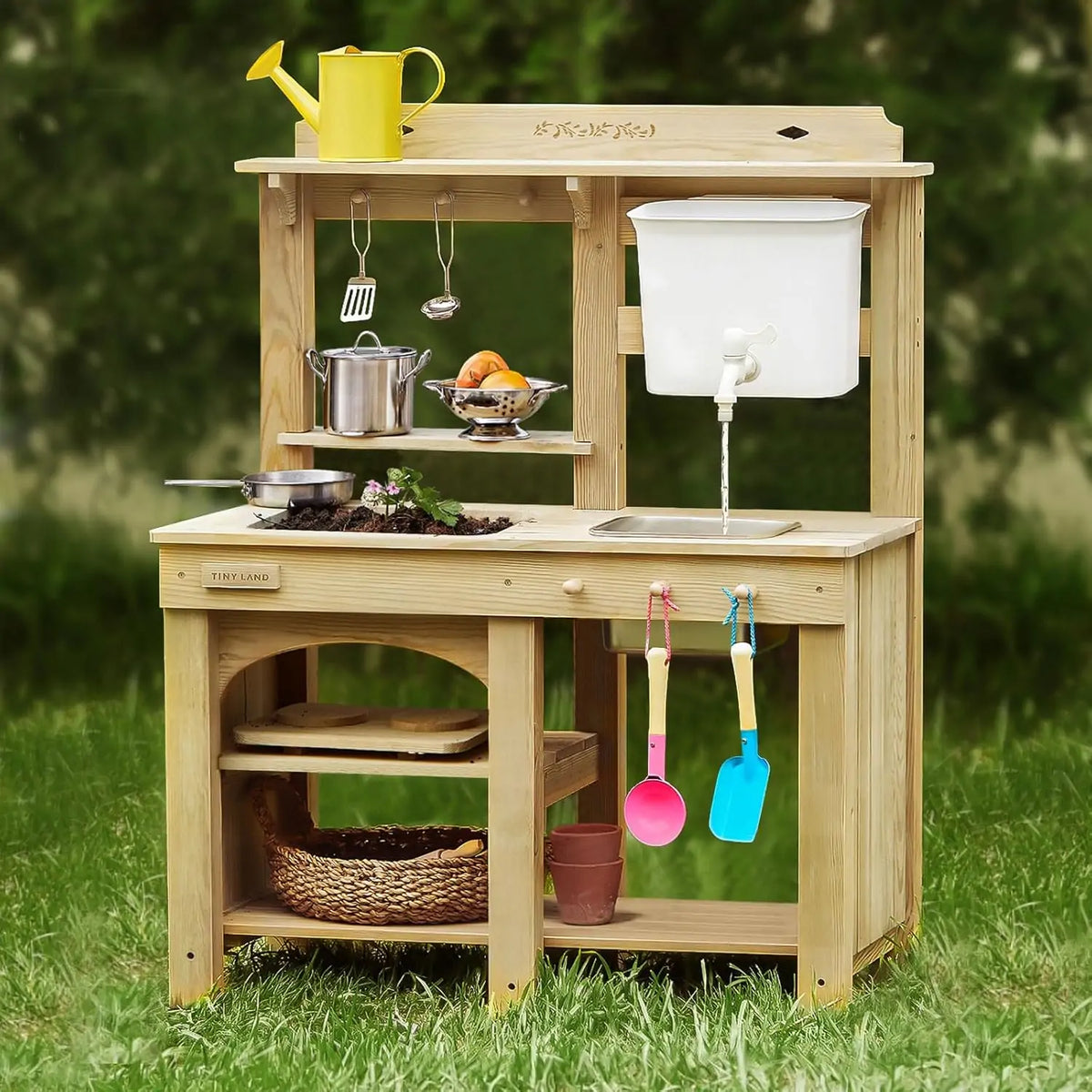
A sensory mud kitchen creates a dedicated outdoor space where children can mix, pour, scoop, and experiment freely using natural materials like water, sand, and mud.
Sand toys and tools allow children to dig, build, and experiment while strengthening coordination and creativity.
They give children a place they can return to again and again—where curiosity leads the way and play feels open-ended and engaging.
 3. Creative Art & Expression
Creative play gives children a way to express thoughts and feelings in a hands-on way. There’s no right or wrong outcome—the focus is entirely on the process.
Ideas for Creative Play
- Drawing and painting
- Chalk art
- Crafting with everyday or recycled materials
- Sensory art using sand, water, or different textures
Why It Matters
- Strengthen fine motor skills
- Express emotions
- Build focus and patience
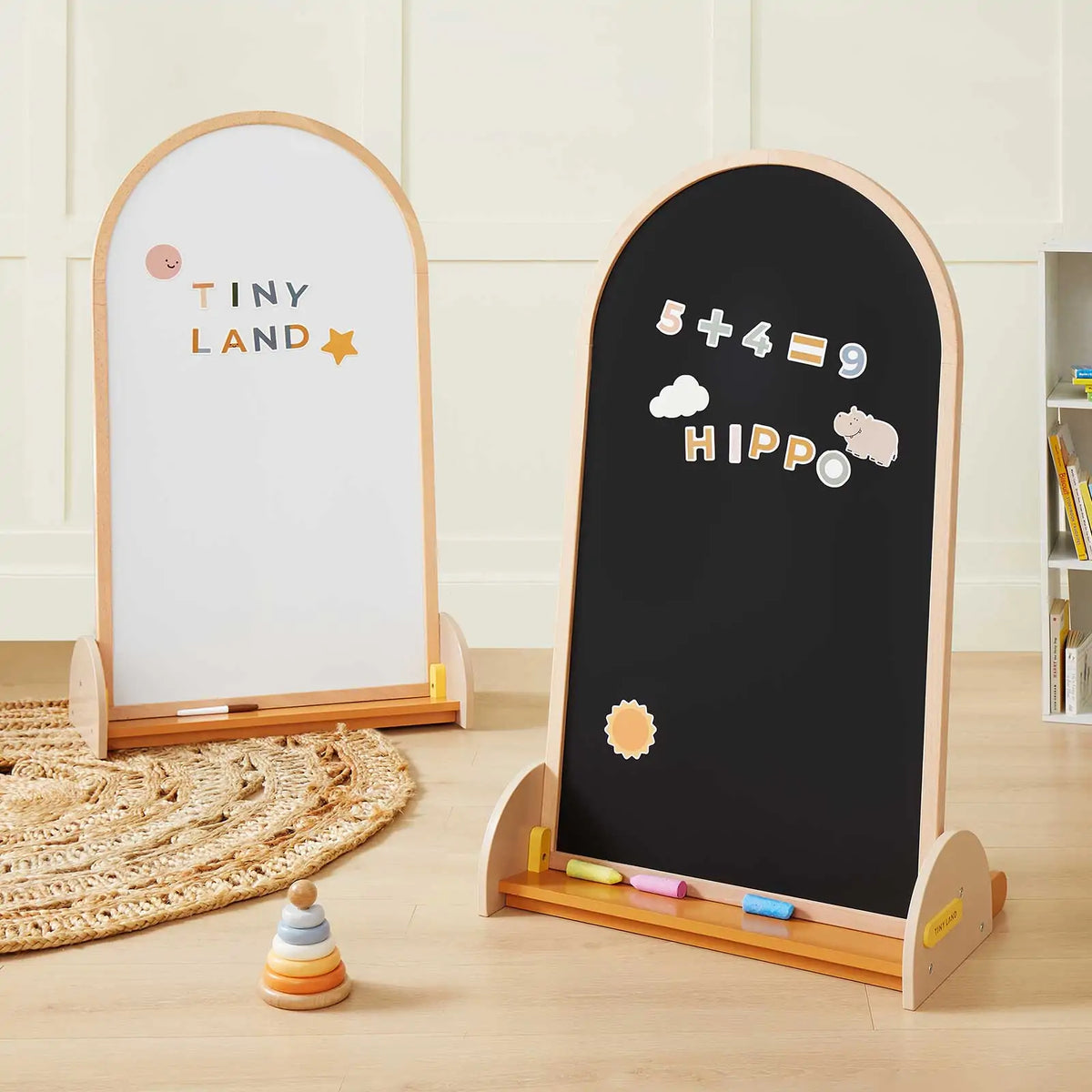
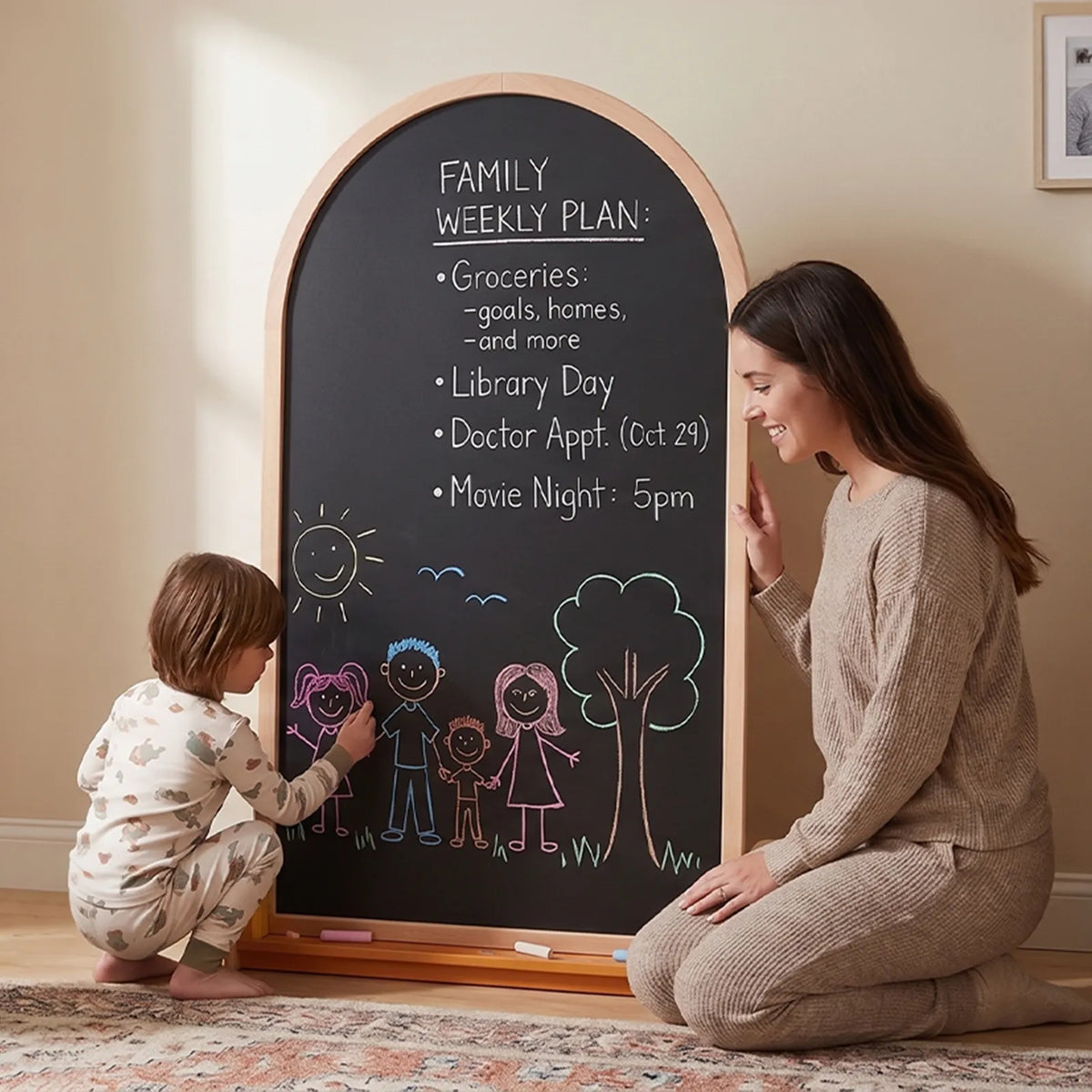
A simple easel setup gives children a space to start creating freely—and return to again and again.

4. Active Movement-Based Play
Children are naturally wired to move, and movement plays a key role in both physical and cognitive development.
Ideas for Active Play
- Obstacle courses
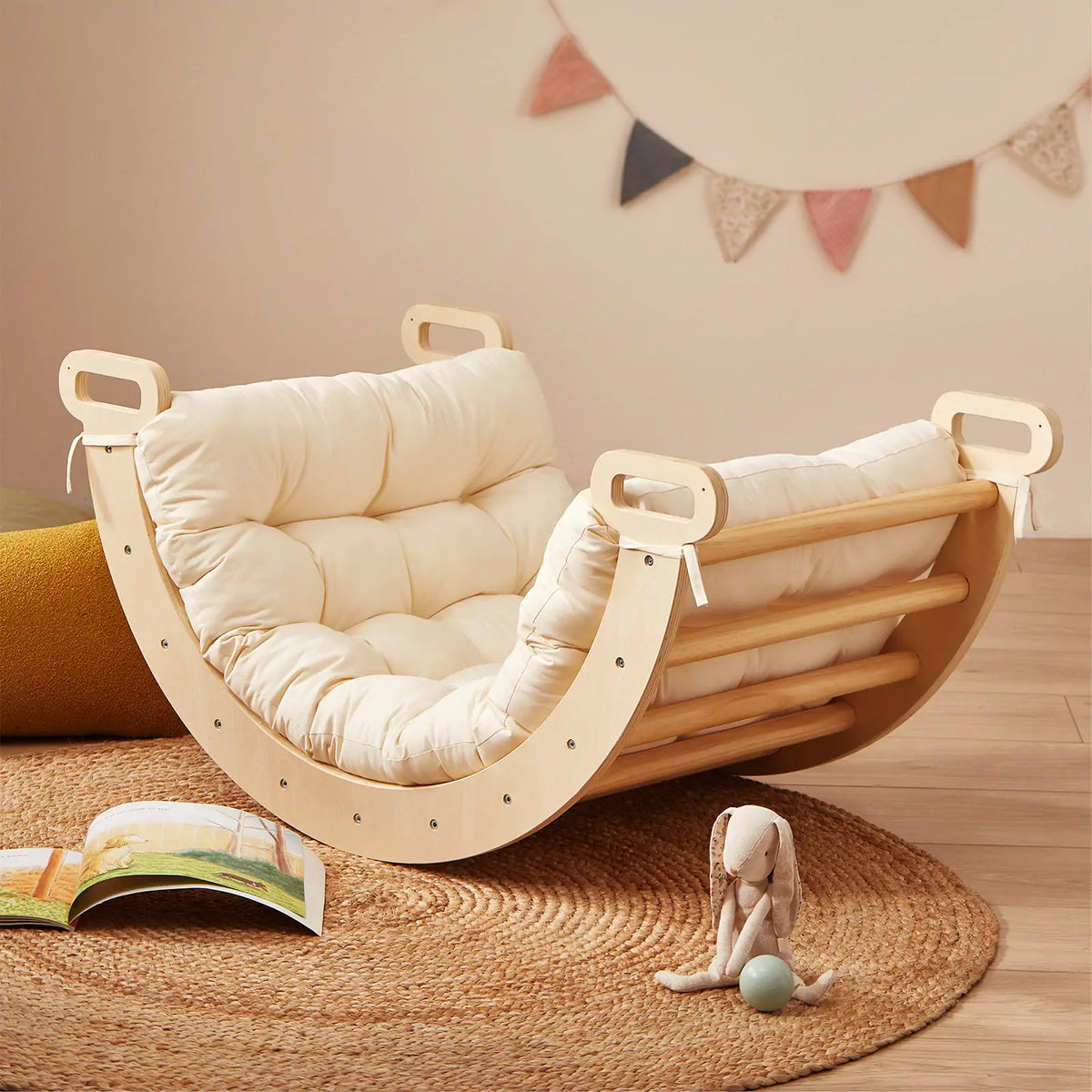
- Climbing and balancing activities
- Jumping games
- Dancing and movement with music
Why It Matters
- Build balance, coordination, and strength
- Develop spatial awareness
- Gain confidence through physical challenges
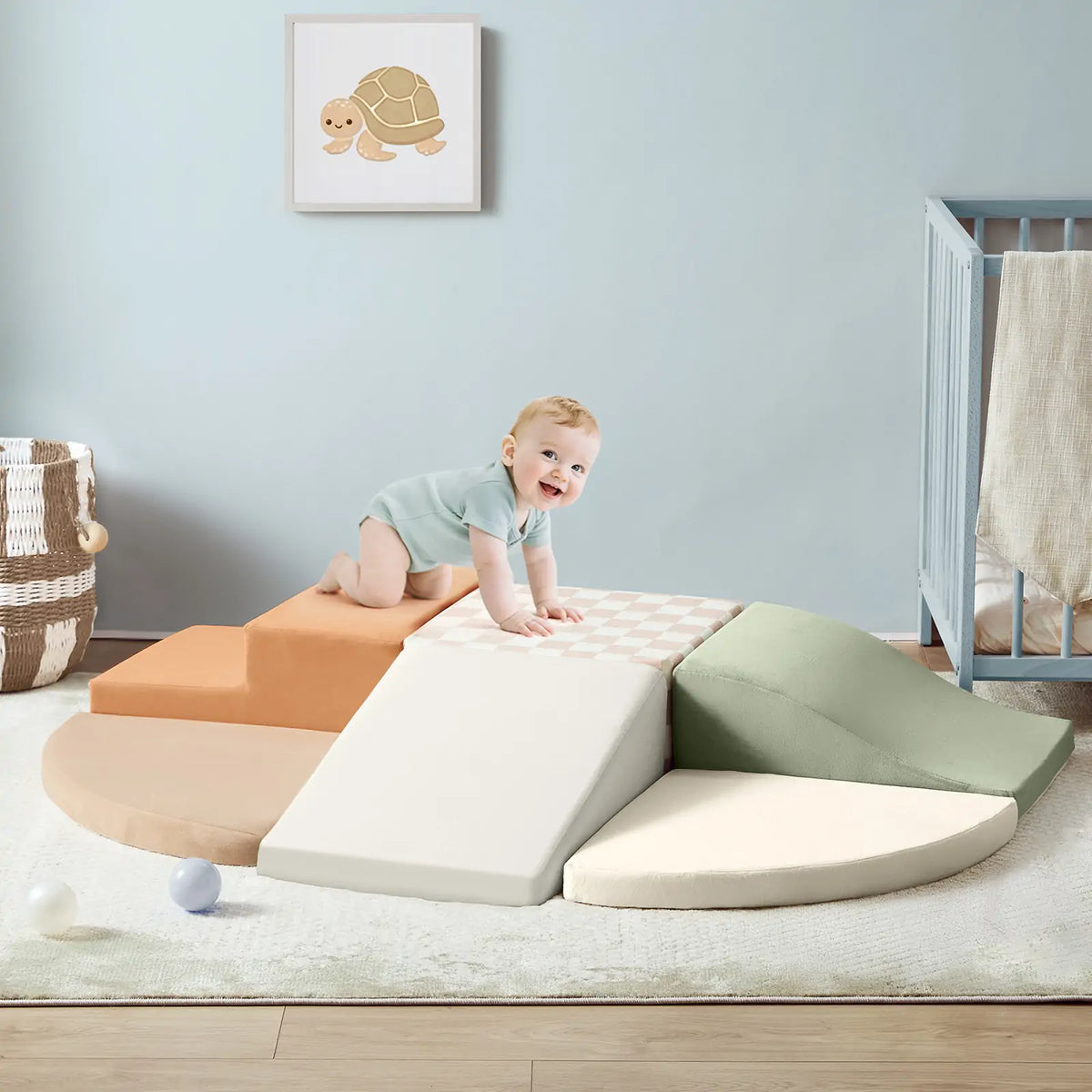
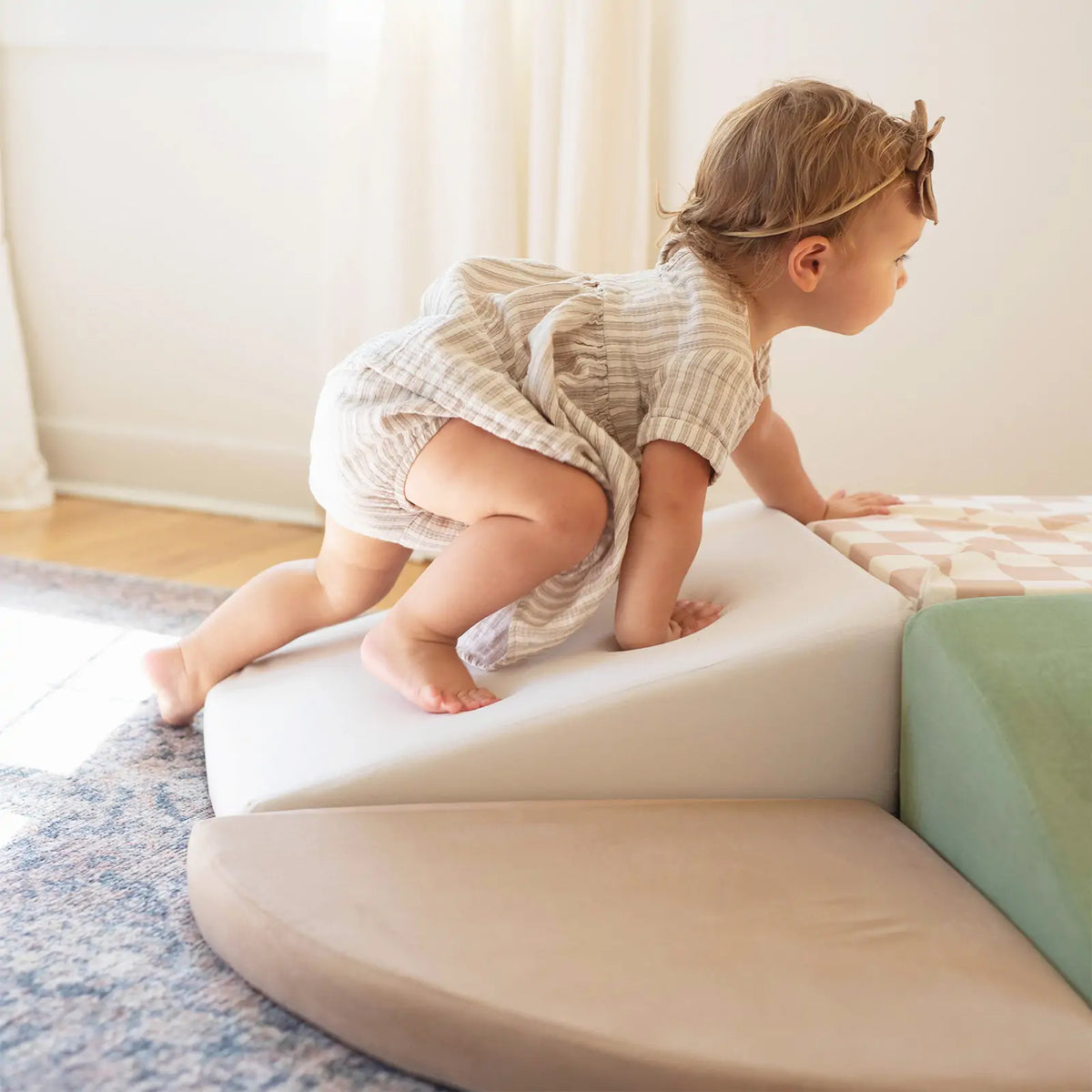
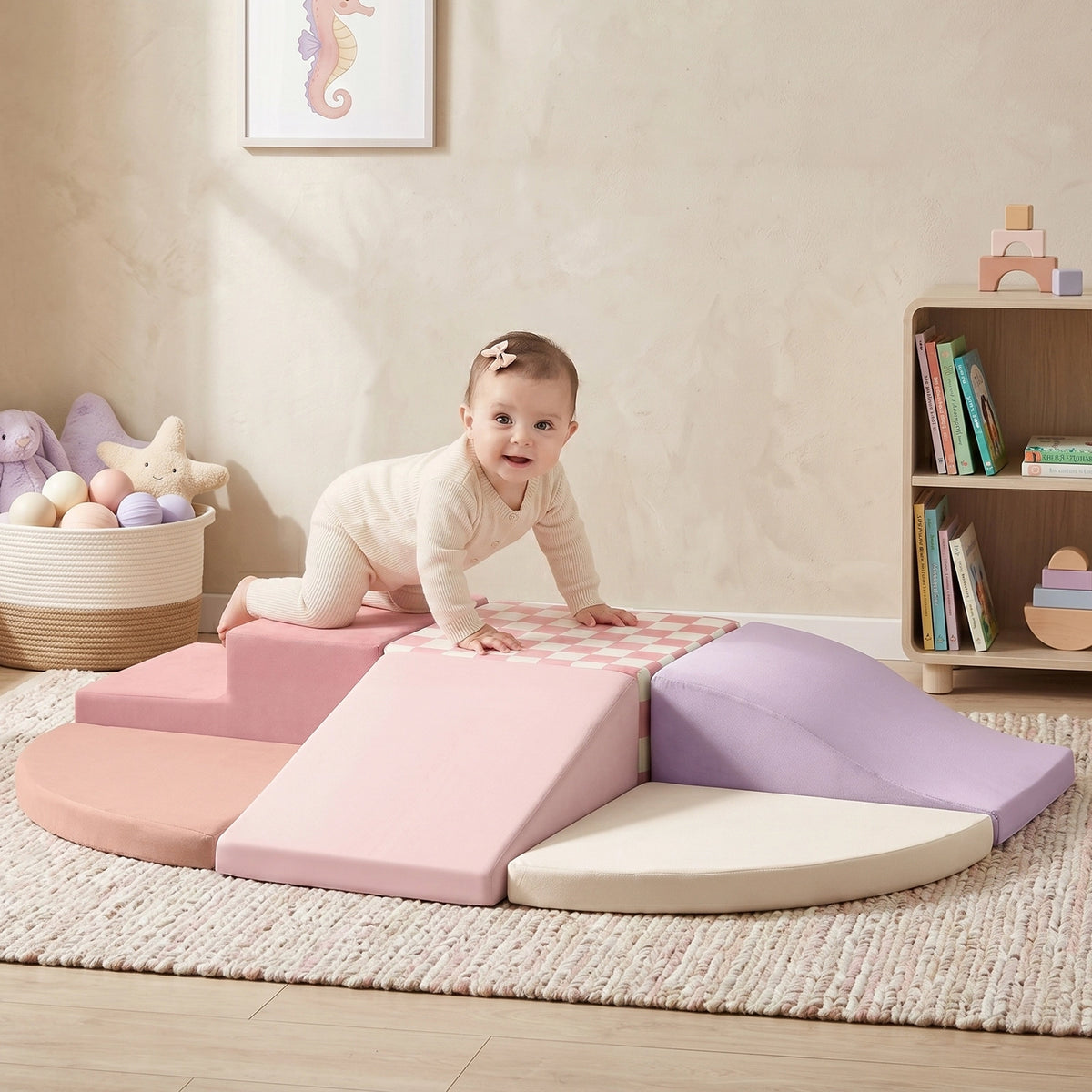
When active movement is easy to access at home, it naturally becomes part of daily routines rather than something that happens occasionally.

5. Real-Life Learning Activities
Children naturally want to participate in what adults are doing.
When they are invited in, everyday routines become meaningful learning experiences.
Ideas for Everyday Learning
- Cooking simple meals together
- Gardening or caring for plants
- Sorting and organizing
- Helping with daily tasks
Why It Matters
- Independence and responsibility
- Practical life skills
- Confidence through participation
Everyday activities often become the most meaningful moments of connection between parents and children.

6. Quiet & Independent Play
Not all play needs to be active or guided. Independent play gives children space to slow down, think, and explore their own ideas.
Ideas for Independent Play
- Building with blocks
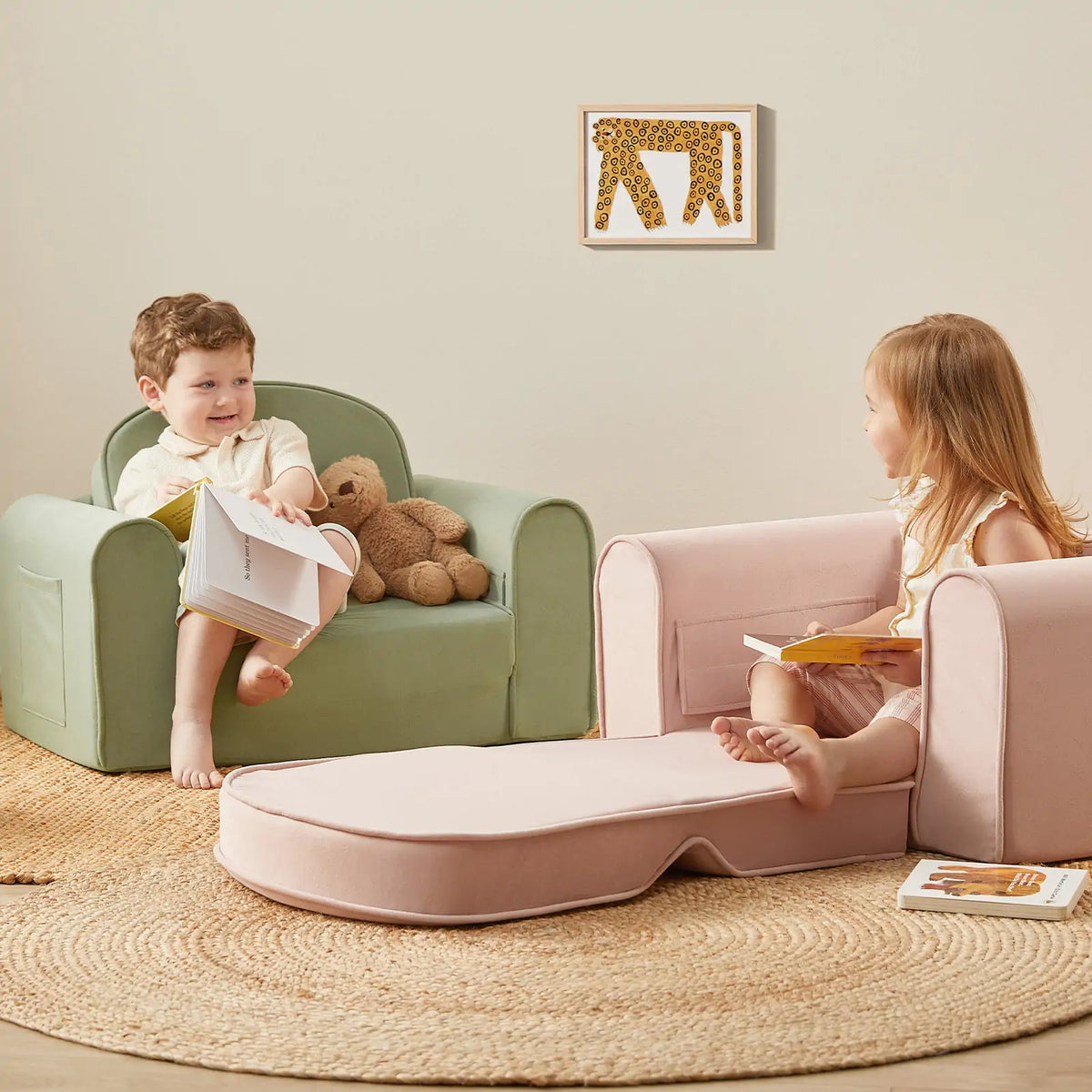
- Reading books
- Solving puzzles
- Solo imaginative play
Why It Matters
- Build focus and attention span
- Develop problem-solving skills
- Strengthen independence and self-direction
- Creating the Right Environment
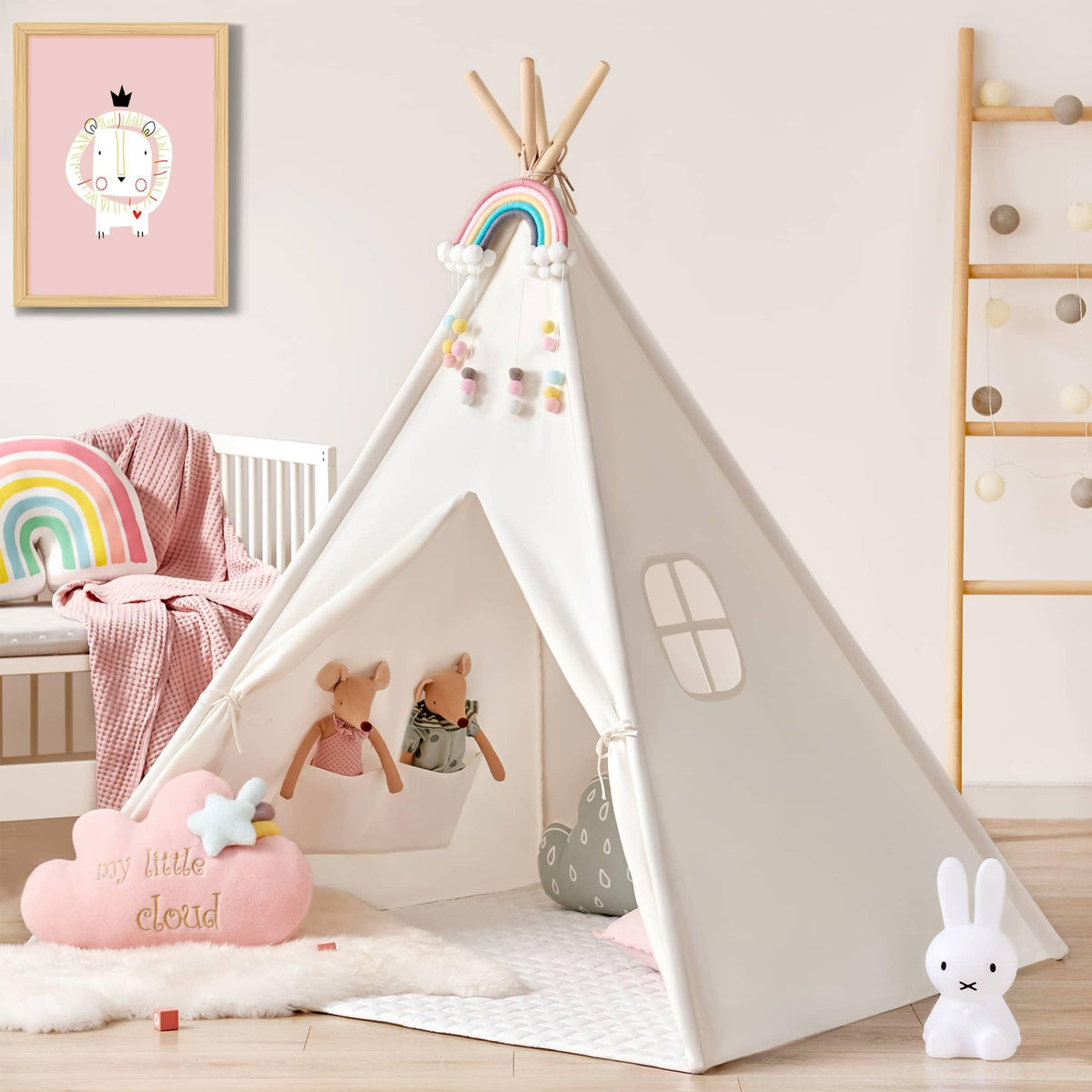
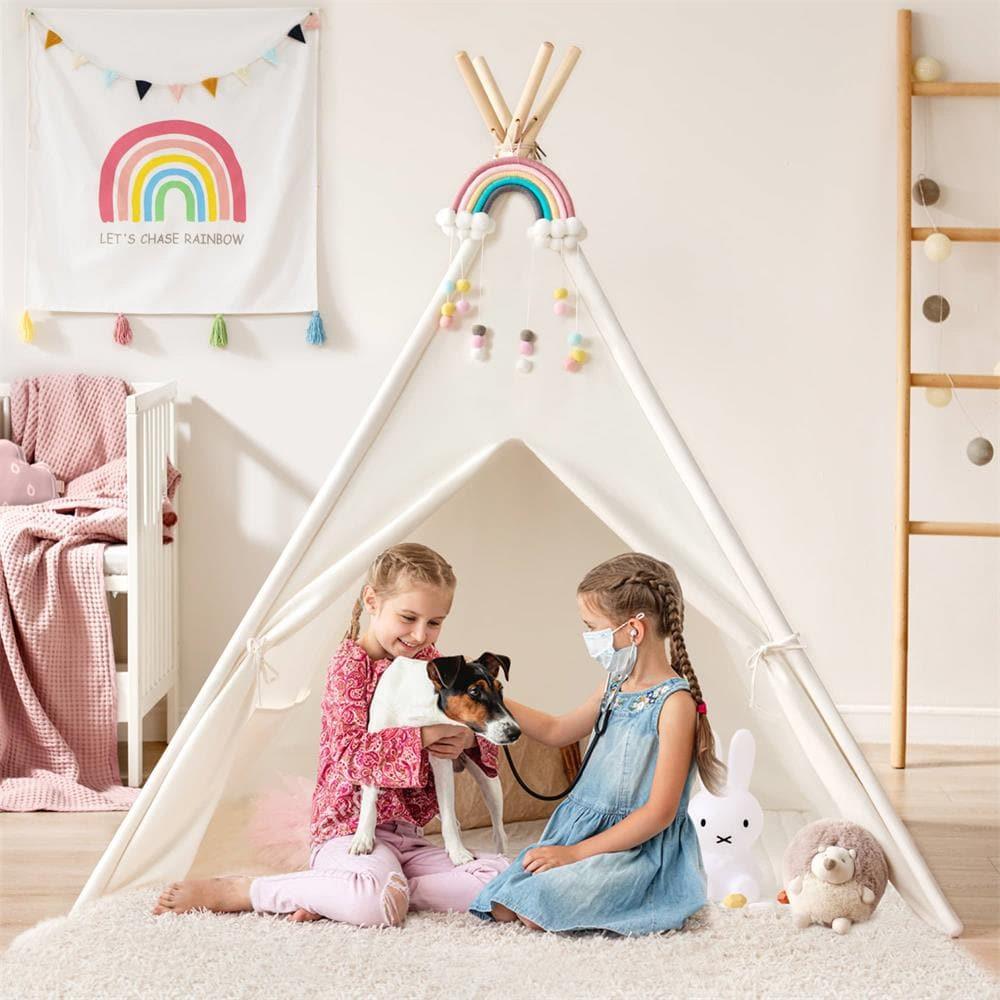
A kids’ tent creates a cozy, personal space where children can feel safe, focused, and fully immersed in their own world.
It becomes more than just a play item—it becomes a place where children can imagine, read, and play without distraction.
When children have both freedom and a space of their own, independent play becomes more natural and engaging.

How to Encourage Screen-Free Play at Home
- Create a simple, dedicated play space
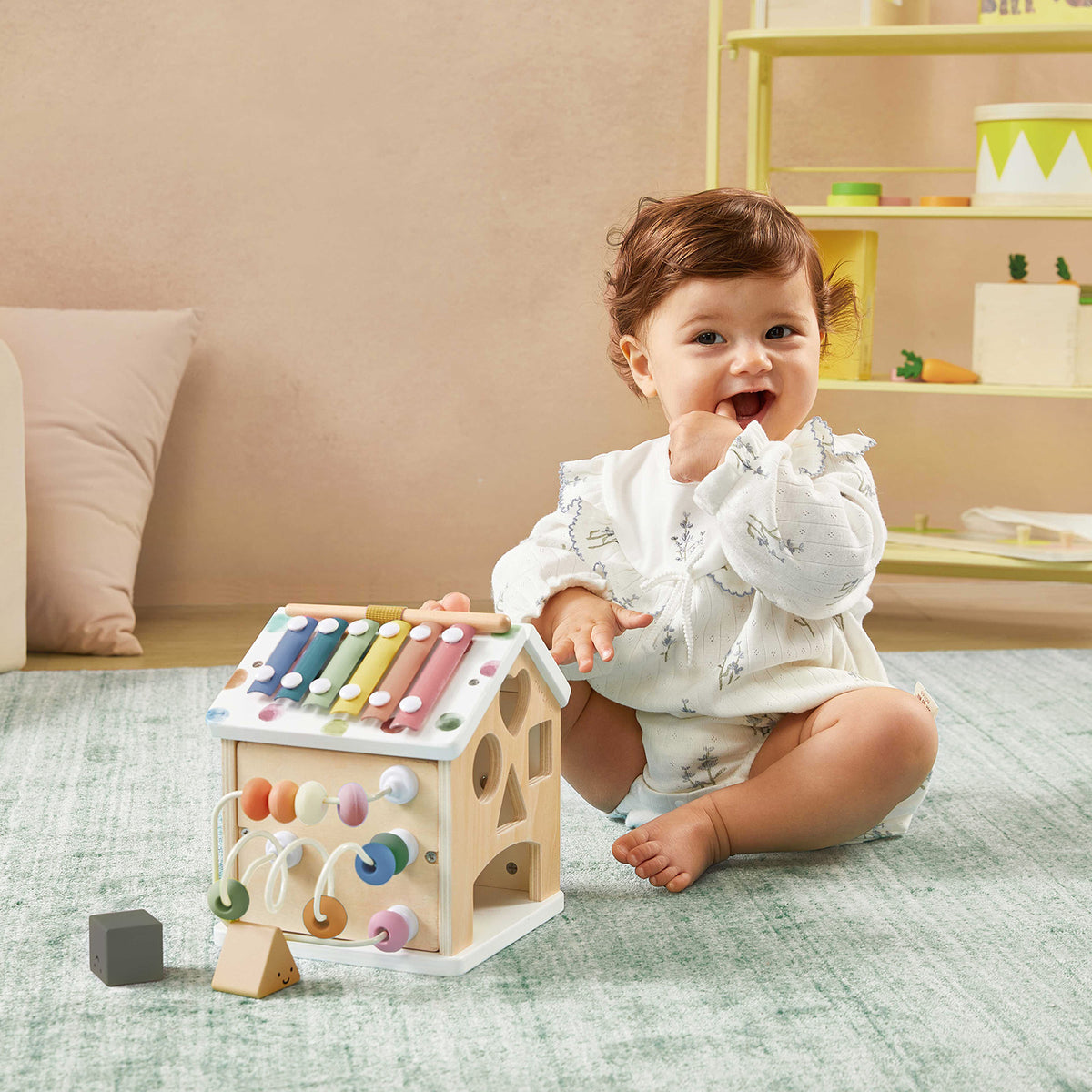
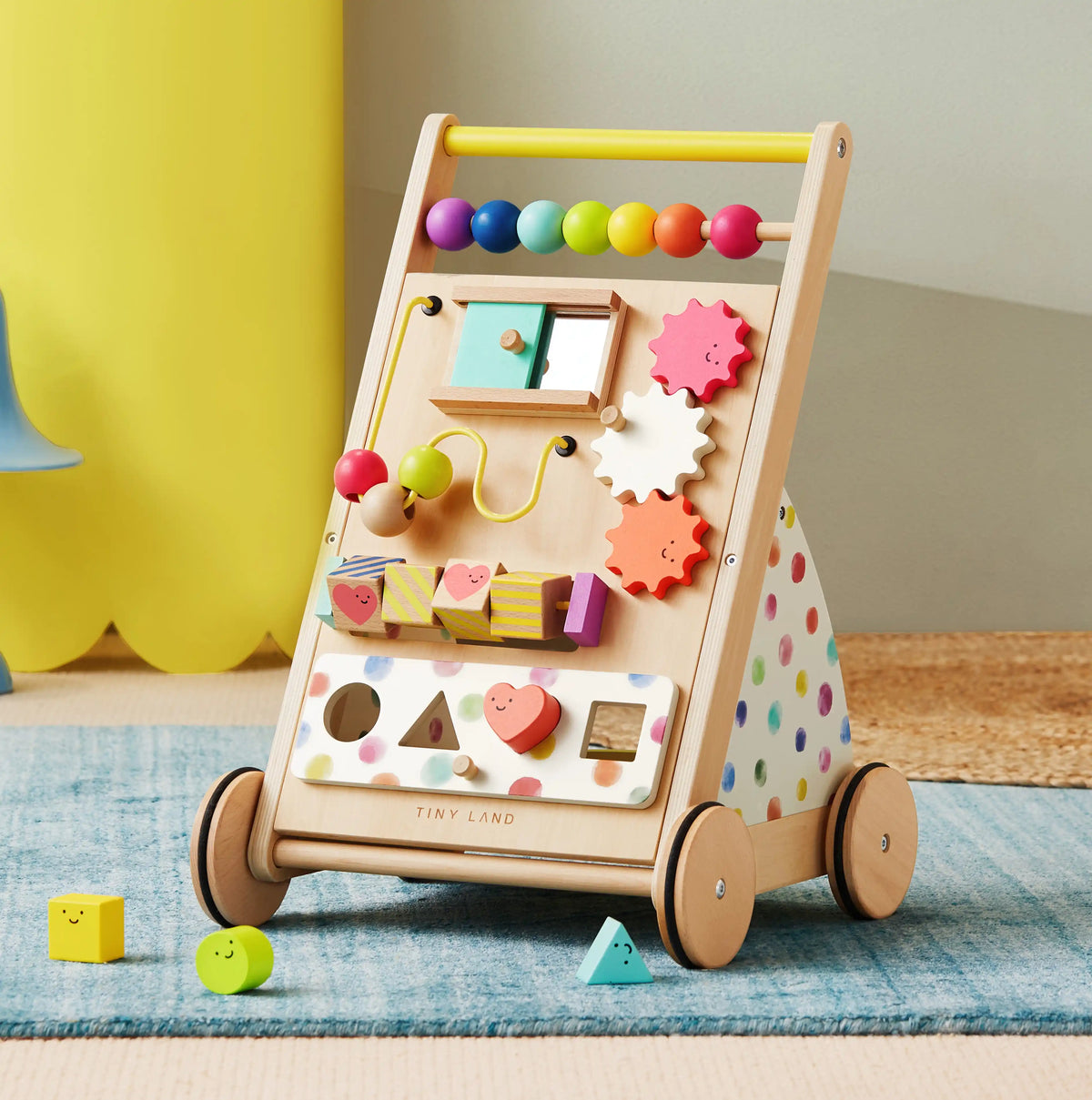
- Offer open-ended toys that can be used in multiple ways
- Keep activities easy to access
- Follow your child’s interests
- Keep it simple and consistent
Even small moments of screen-free play each day can make a meaningful difference over time.
 Frequently Asked Questions
How much screen-free time do kids need?
There’s no fixed rule. Consistent, small periods of screen-free play each day are more important than strict limits.
What if my child resists screen-free play?
Start small and follow their interests. Children often engage more when the environment feels inviting and familiar.
Do I need special toys?
No. Open-ended toys and everyday items can support creativity just as effectively.Final Thought

Screen-free play isn’t about removing technology.
It’s about creating balance—and giving children space to imagine, explore, and grow. When children are given that space, they don’t just play.
They build the skills, confidence, and curiosity that support them for life.